Unveiling Currency Volatility Patterns and Their Role in Unlocking Tiered Access Within Borderless Digital Entertainment Networks
Rosa Schmitz · Aug 19, 2026
Unveiling Currency Volatility Patterns and Their Role in Unlocking Tiered Access Within Borderless Digital Entertainment Networks
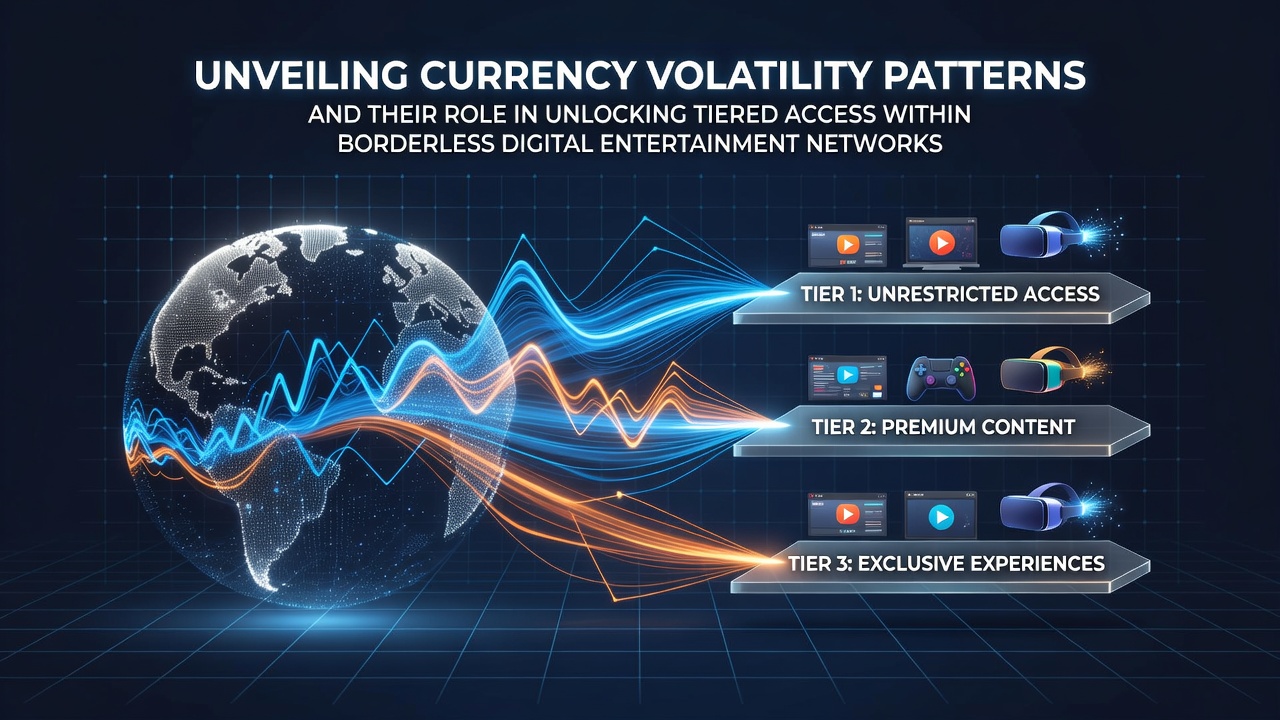
Global digital entertainment networks have expanded rapidly since the early 2020s and currency volatility now shapes how participants move through tiered access structures. Exchange rate swings between major fiat currencies and digital assets create measurable shifts in deposit values that directly influence eligibility for higher reward levels on cross-border platforms. Data collected through 2025 and into mid-2026 show recurring patterns tied to macroeconomic events, seasonal trading cycles, and policy announcements from central banks.
Observed Volatility Patterns in 2026
Market records from the first half of 2026 reveal three dominant volatility clusters. The first cluster appears during quarterly earnings releases from major technology firms when equity markets move sharply and cryptocurrency pairs follow. The second emerges around scheduled central bank meetings in Europe and Asia. The third surfaces during regional regulatory updates that affect cross-border payment rails. Each cluster produces distinct amplitude and duration signatures that platform operators track through internal analytics dashboards.
August 2026 brought an additional layer of movement when several Asian economies adjusted reserve requirements while North American markets responded to inflation revisions. Those simultaneous adjustments produced short-term spikes in EUR-USD and BTC-USD pairs that lasted between four and nine trading days. Platforms operating across multiple jurisdictions recorded corresponding changes in the effective value of deposits made in local currencies during that window.
How Volatility Translates Into Tier Progression
Tiered access systems calculate player status using a combination of deposit volume, playthrough requirements, and time-based activity. When a deposit denominated in one currency is converted at a volatile rate, its contribution to the qualifying total can increase or decrease within minutes. Operators apply real-time conversion engines that pull live rates from multiple liquidity providers, and those engines update teh running totals used for tier advancement.
One study released by the Canadian Gaming Association examined transaction logs from thirty international platforms between January and July 2026. The analysis found that a ten-percent swing in a major currency pair altered the average time required to reach the next tier by 11 to 18 days for players whose deposits crossed that pair. The same study noted that platforms offering multi-currency wallets reduced the effect by allowing users to hold balances in the currency of their choice until conversion became advantageous.
Regional Regulatory Responses
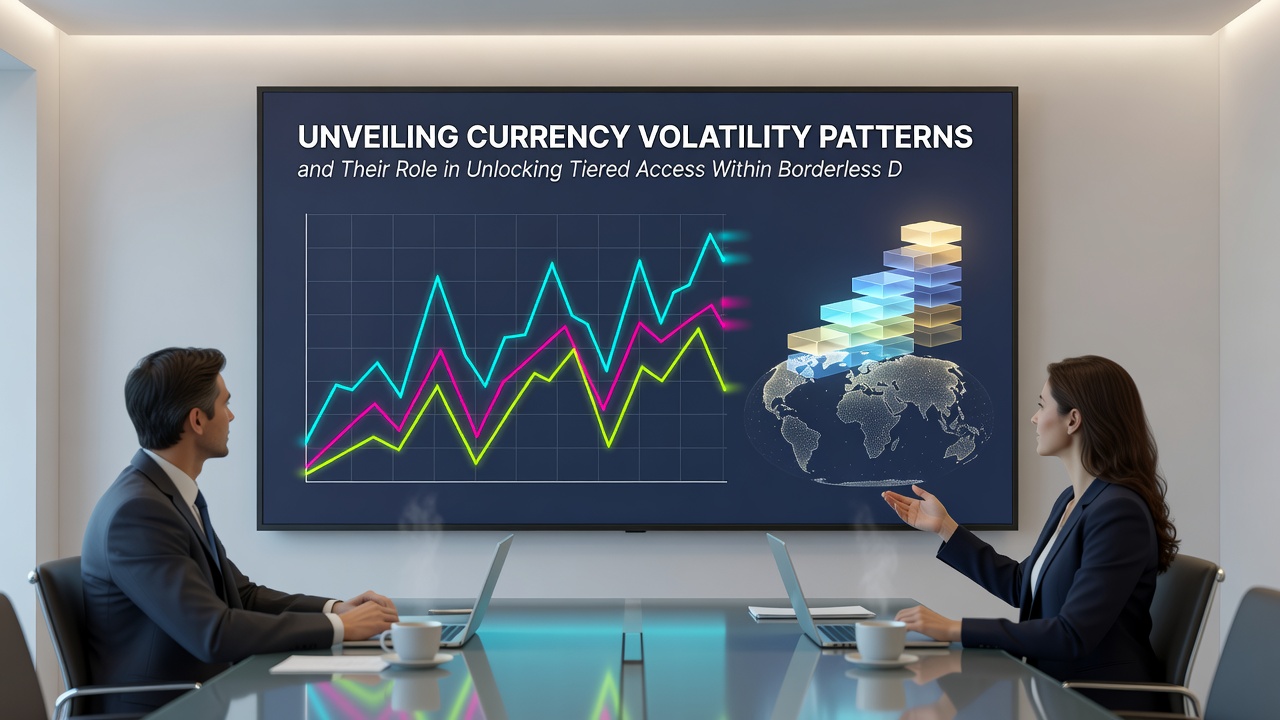
Regulators in different jurisdictions have begun requiring clearer disclosure of conversion mechanics. The Nevada Gaming Control Board updated its technical standards in spring 2026 to mandate that operators display the exchange rate applied at the moment of deposit. Similar language appears in draft guidelines circulated by the Australian Communications and Media Authority, which emphasizes transparency for players who fund accounts from overseas sources. These rules do not eliminate volatility but make the impact visible at the point of transaction.
Industry groups such as the European Gaming and Betting Association have published position papers that outline best practices for handling multi-currency play. The papers recommend that operators maintain at least two independent rate feeds and apply the more favorable rate for the player when the difference exceeds a defined threshold. Several large networks adopted this practice during the second quarter of 2026.
Technical Infrastructure Supporting Tier Access
Modern platforms integrate API connections to foreign-exchange aggregators directly into their player-accounting layers. When a deposit arrives, the system records both the original currency amount and the converted base-currency equivalent at that instant. Subsequent volatility does not retroactively alter the recorded value for tier purposes, yet future deposits reflect the new rate. This timestamped approach creates a rolling window during which players can time deposits to maximize qualifying amounts.
Developers have also introduced volatility alerts that notify users when a chosen currency pair moves beyond preset bands. The alerts link to a conversion preview screen that shows projected tier impact. Early adoption metrics shared by three mid-sized operators indicate that players who receive these alerts adjust deposit timing more frequently than those who do not.
Conclusion
Currency volatility patterns observed through August 2026 demonstrate a direct statistical relationship with the pace at which participants advance through tier structures on borderless digital entertainment networks. Regulatory updates in multiple regions have increased transparency around conversion mechanics, while technical solutions such as multi-currency wallets and real-time alerts provide practical tools for managing rate fluctuations. Continued monitoring of exchange-rate clusters remains essential for both operators and participants who navigate these global systems.