Unraveling Currency Swap Influences on Tiered Event Access Within Handheld Wagering Networks

Handheld wagering networks have expanded rapidly across multiple regions since the mid-2020s, and currency swap mechanisms now sit at the center of how users move between deposit options and event access levels. Observers note that these swaps, which convert funds between local currencies and platform-supported denominations, directly shape eligibility for tiered events such as exclusive live tournaments and premium match-day betting rooms. Data from June 2026 shows continued growth in cross-border mobile wagering activity, with conversion volumes rising in markets where users frequently switch between fiat options and digital tokens.
Mechanics of Currency Swaps in Mobile Wagering Platforms
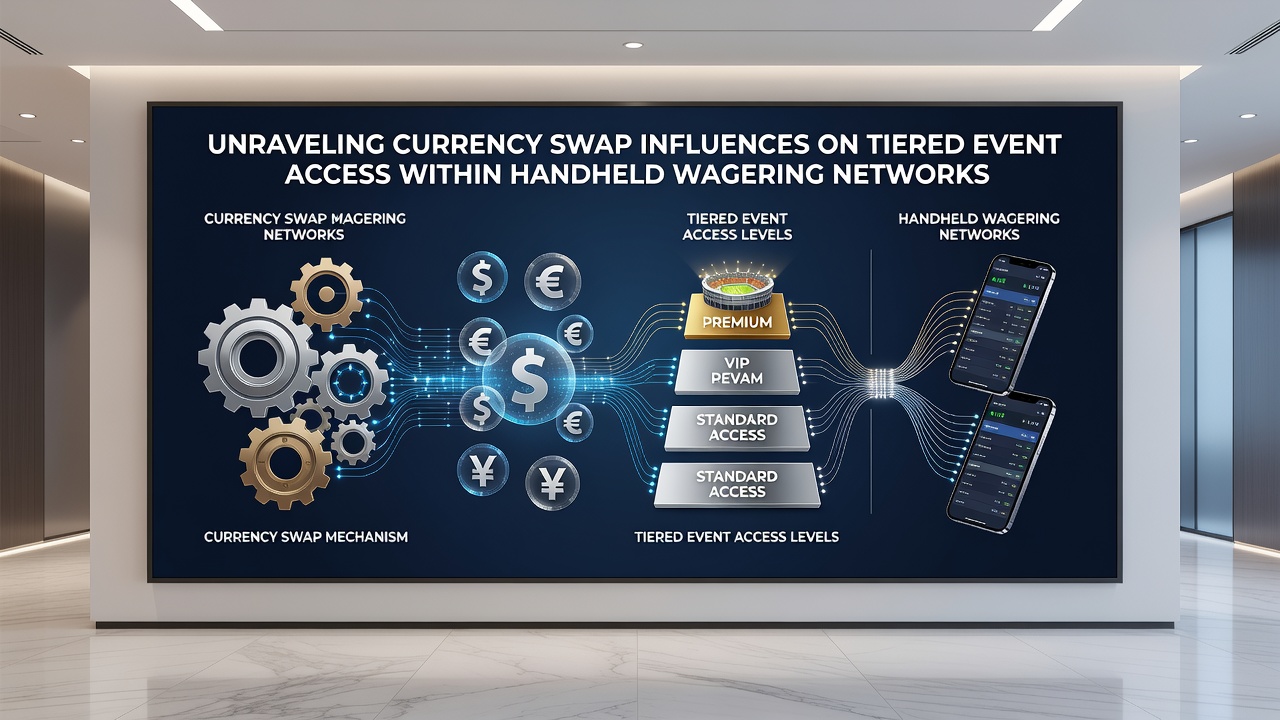
Platforms integrate swap functions that allow users to exchange balances in real time before placing wagers on events, and this process updates account ledgers that determine tier status. Researchers have tracked how each swap triggers recalculations of activity metrics, including total volume converted and frequency of transactions, which feed into algorithms assigning users to bronze, silver, gold, or platinum tiers. Those who've examined transaction logs find that swaps involving higher-value conversions often accelerate progression toward mid-tier thresholds while smaller, repeated swaps can stall advancement if they fall below minimum activity benchmarks set by the network.
How Tiered Event Access Connects to Swap Activity
Tiered events grant entry to specialized betting environments, and access rules require users to maintain specific activity scores derived partly from swap history. Experts tracking handheld networks report that platforms apply multipliers to converted amounts when calculating eligibility, meaning a single large swap can unlock an event faster than multiple small ones even when total value matches. In practice this creates pathways where users who swap during promotional windows gain earlier entry to exclusive sessions, while those who delay swaps remain locked out until their cumulative figures reach the next threshold.
Studies conducted by academic groups in Canada have examined patterns across several networks and found that swap timing relative to event calendars influences retention within tiers. For instance, users completing swaps within 48 hours before a major tournament often secure access slots that later applicants cannot obtain, because the system prioritizes recent conversion activity when allocating limited seats.
Regional Variations in Swap and Tier Interactions
Different regulatory environments shape how networks implement swap features and tier calculations. In Australian markets operators must comply with local currency reporting rules that require disclosure of conversion sources, and this transparency affects how platforms weight swaps when assigning event access. Meanwhile, operators serving European users apply additional verification steps during swaps that can delay tier updates by several hours, sometimes pushing users past event registration deadlines. Figures released by the Australian Communications and Media Authority in early 2026 highlighted these timing differences and their measurable impact on participation rates across handheld platforms.
Observers following North American networks note that certain operators link swap fees directly to tier benefits, waiving charges for gold-level users while maintaining standard rates for lower tiers. This fee structure alters the net value of each conversion and therefore the speed at which users accumulate the activity points needed for event entry. Research from institutions examining digital entertainment frameworks indicates that such fee variations produce distinct engagement cycles, with premium-tier users completing more frequent swaps and accessing a broader range of live events.
Data Patterns Emerging in Mid-2026
Reports compiled through June 2026 reveal that networks processing higher volumes of multi-currency swaps show stronger correlations between conversion size and tier advancement speed. One analysis of aggregated platform data demonstrated that users performing swaps above a defined threshold gained event access an average of 12 days earlier than peers with equivalent total activity but smaller individual conversions. These patterns hold across both sports-focused and casino-style event offerings within the same handheld ecosystems.
Platforms have begun publishing transparency statements that detail how swap data feeds into tier algorithms, and industry associations such as the European Gaming and Betting Association have encouraged standardized reporting formats. Such disclosures allow users to anticipate how their conversion choices will affect future event eligibility without requiring direct platform support queries.
Conclusion
Currency swap processes continue to serve as key variables within the access equations of handheld wagering networks, and evidence from multiple regions demonstrates their consistent influence on tier progression and event participation. As networks refine their algorithms through 2026 and beyond, the relationship between conversion activity and entitlement unlocks remains a central factor for users navigating these platforms.