Regional Disparities in Reward Redemption Rates for Digital Blackjack Enthusiasts
Henrik Vogel · Aug 24, 2026
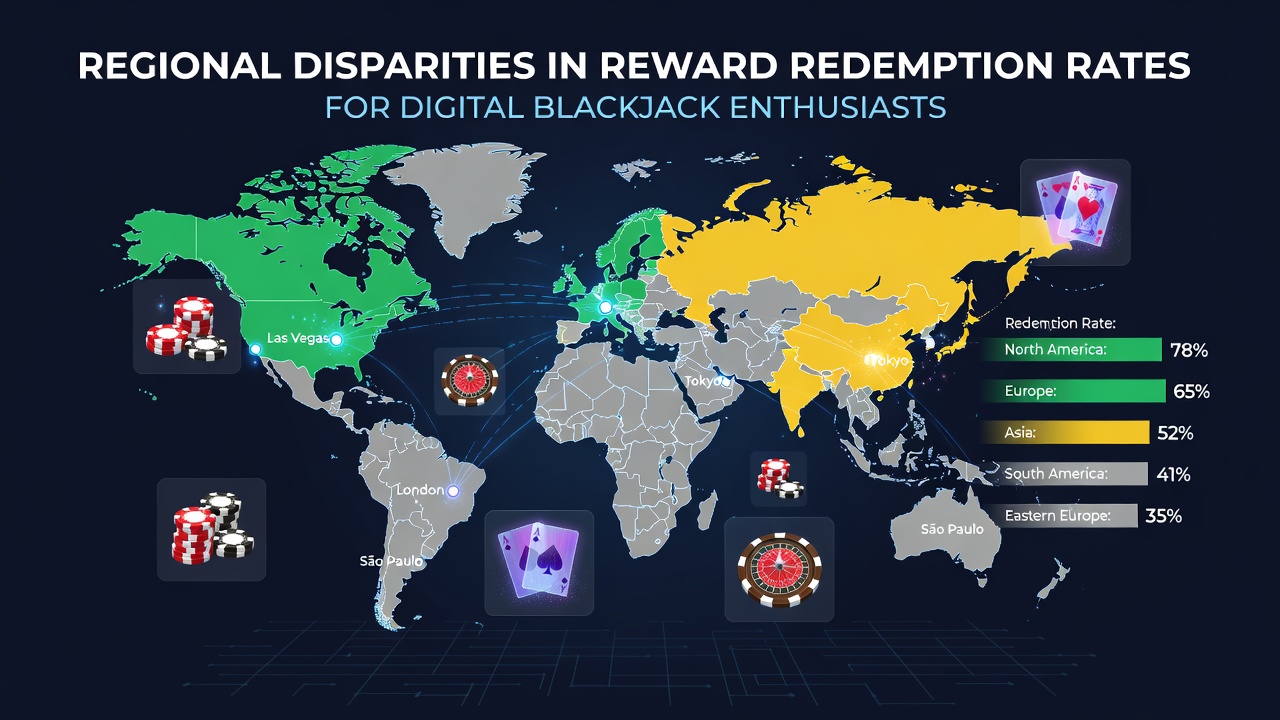
Regional Disparities in Reward Redemption Rates for Digital Blackjack Enthusiasts
Data from multiple regulatory bodies shows clear differences in how often enthusiasts redeem rewards in digital blackjack environments, and these gaps trace back to licensing rules, payment infrastructure, and local player habits. In August 2026 analysts released updated figures that highlighted ongoing variation between North American, European, and Asia-Pacific markets, with redemption rates ranging from 42 percent in some jurisdictions to 71 percent in others.
North American Patterns
Regulatory frameworks in the United States and Canada shape redemption activity in measurable ways. New Jersey Division of Gaming Enforcement records indicate that players in Atlantic City-licensed platforms redeemed loyalty points at a 58 percent clip during the first half of 2026, while Ontario iGaming operators reported a 63 percent rate over the same period. Both figures reflect strict know-your-customer requirements that delay point conversion until verification clears, yet the Canadian market benefits from faster interac e-transfer options that reduce friction once accounts reach approved status.
Observers note that state-level tax structures also play a role. Markets with higher operator fees tend to offer smaller reward pools, which in turn lowers overall redemption volume even when player engagement remains steady. Pennsylvania and Michigan data from mid-2026 illustrated this effect, showing redemption rates trailing the regional average by 7 to 9 percentage points.
European and Asia-Pacific Contrasts
Across the European Union, Malta Gaming Authority statistics released in August 2026 placed average redemption at 67 percent for blackjack-focused titles, driven by streamlined SEPA transfers and standardized bonus terms. In contrast, several Asia-Pacific jurisdictions posted lower figures. Singapore’s Casino Regulatory Authority reported a 49 percent redemption rate for the same period, citing stricter cross-border transaction limits that extend processing windows for non-local bank accounts.
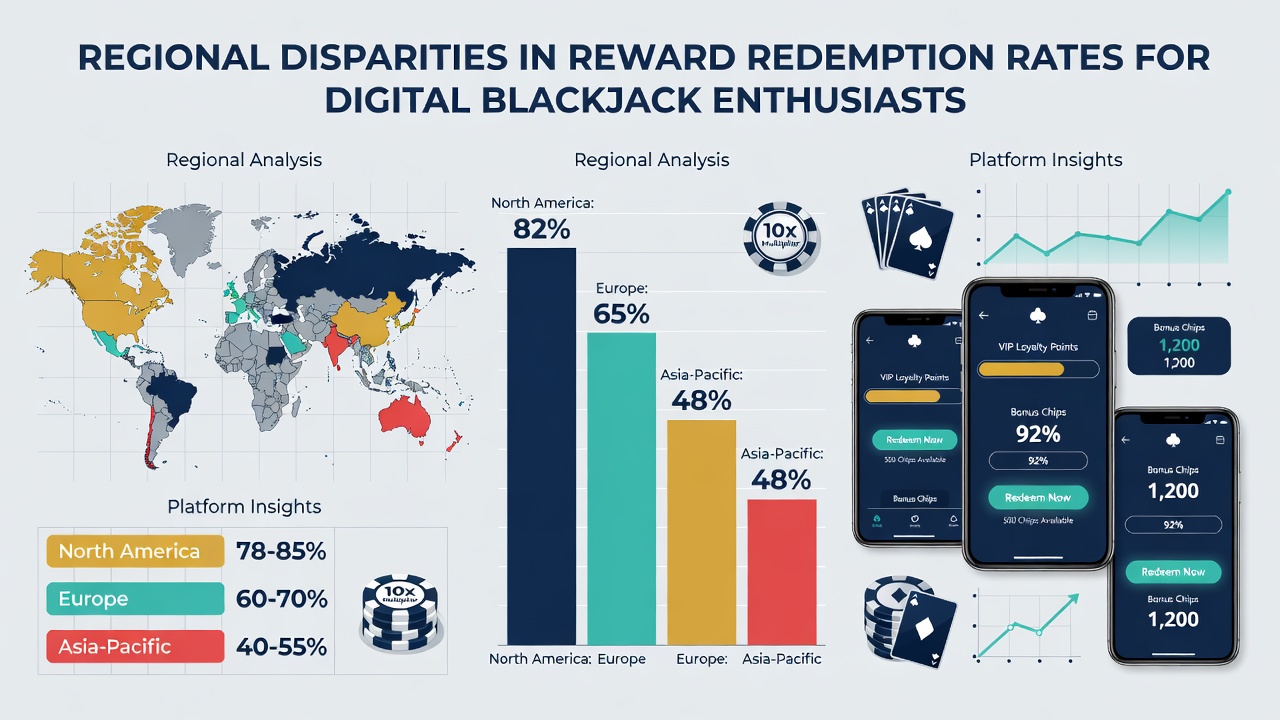
Australian markets present a middle ground. Recent industry reports from the Australian Communications and Media Authority show redemption hovering near 55 percent, with mobile users converting points more readily than desktop players because of integrated digital wallet features. Geographic restrictions on certain bonus types further segment behavior, creating pockets of higher activity in states with fewer payout caps.
Factors Driving the Gaps
Payment method availability remains one of the strongest predictors of redemption success. Regions that support instant or same-day options see higher conversion because players encounter fewer delays between earning and claiming. Meanwhile, markets that rely heavily on wire transfers or checks experience longer lag times that reduce follow-through.
Bonus structure design adds another layer. Operators in high-redemption zones typically tie rewards to achievable wagering thresholds, whereas stricter markets impose longer playthrough requirements that discourage completion. Demographic differences compound these effects, with younger cohorts in urban centers showing greater willingness to navigate multi-step redemption flows compared with older groups.
Platform-Level Observations
Multi-state operators have begun adjusting reward tiers based on local data. One study compiled by researchers at the University of Nevada, Reno examined 12 months of blackjack session logs and found that platforms offering region-specific point multipliers achieved redemption rates 11 percentage points above those using uniform global structures. These adjustments often involve tailoring free-play credits or cashback percentages to match prevailing regulatory and banking conditions.
Cross-border players sometimes face additional hurdles when accounts span multiple jurisdictions. Verification mismatches and currency conversion fees can interrupt the redemption sequence, prompting some enthusiasts to maintain separate profiles rather than consolidate activity.
Conclusion
Regional disparities in digital blackjack reward redemption continue to reflect the interplay of regulation, infrastructure, and player demographics. August 2026 figures underscore that markets with efficient payment rails and balanced bonus conditions maintain higher conversion, while those with added compliance layers record lower rates. As operators refine location-aware features, future datasets may reveal whether targeted adjustments narrow these persistent gaps across jurisdictions.