Linking Evaluation Metrics to Entitlement Progressions Within Interactive Digital Entertainment Frameworks
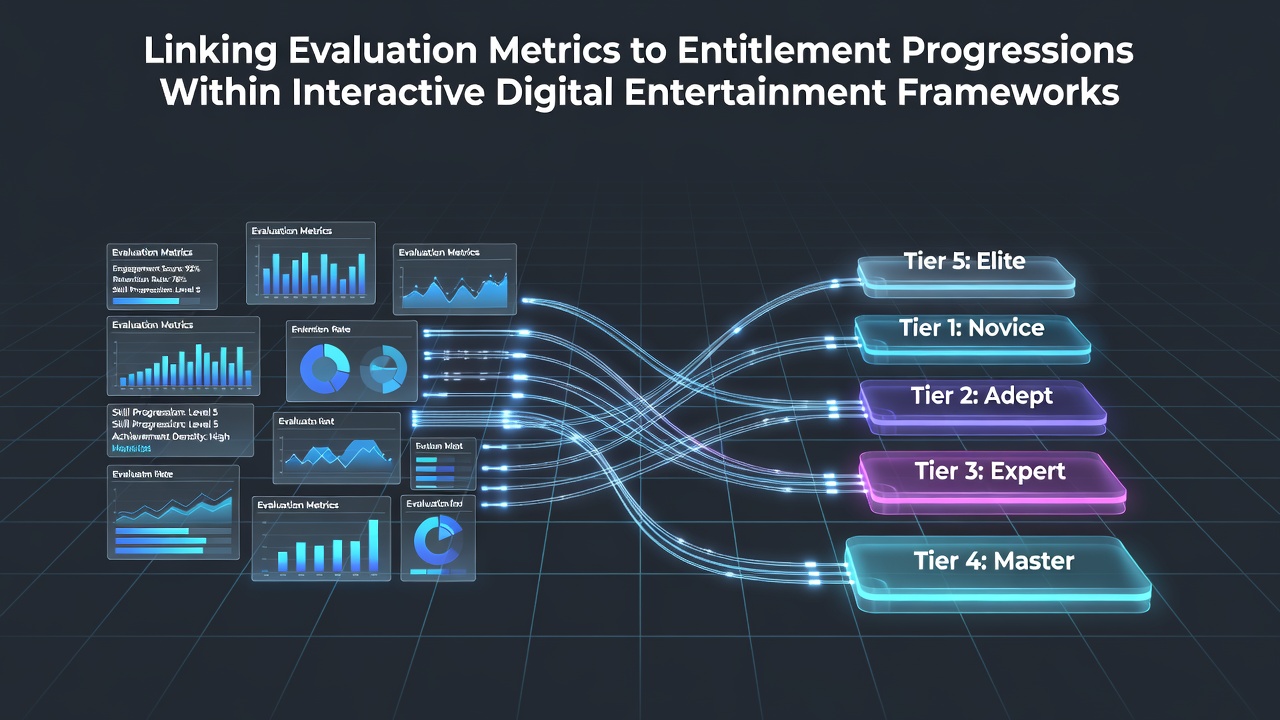
Platforms that deliver interactive digital entertainment track user engagement through structured evaluation metrics including session duration, completion rates, and feedback scores, and these measurements directly inform how entitlements advance through defined progression tiers. Operators integrate data pipelines that convert raw activity logs into tier advancement triggers, which means players who consistently meet performance thresholds receive access to enhanced features or exclusive content without manual intervention. Studies from industry analysts indicate that such linkages create predictable pathways where high-scoring evaluations accelerate movement from basic access levels to premium entitlements.
Core Components of Evaluation Systems
Evaluation frameworks in these environments rely on multiple data streams that combine quantitative play statistics with qualitative input from user surveys, and the resulting composite scores determine eligibility for sequential unlocks. Developers embed algorithms that weigh recent activity more heavily than historical patterns, which allows platforms to respond dynamically to shifts in behavior while maintaining consistent progression rules across user bases. Research indicates that transparent metric display encourages sustained participation because individuals can see exactly which actions contribute to their next entitlement stage.
Data Integration Patterns Observed in 2026
Reports compiled through June 2026 highlight increased adoption of real-time analytics dashboards that map evaluation outputs straight into entitlement management modules across multi-platform gaming suites. These systems process inputs from mobile sessions, desktop interfaces, and console environments simultaneously, producing unified progression profiles that reflect cross-device consistency. Figures from regulatory monitoring bodies in Australia show measurable upticks in user retention when progression rules remain visible and tied to clear metric benchmarks.
One notable implementation appears in subscription-based entertainment services where weekly performance summaries feed into monthly entitlement reviews, and participants who exceed defined evaluation thresholds gain immediate access to limited-time events or additional customization options. Observers note that this approach reduces administrative overhead while creating verifiable records of how each evaluation component influences tier movement.
Progression Mechanisms and Metric Triggers
Entitlement progressions typically follow staged models where initial levels grant standard access, intermediate stages introduce customization tools, and advanced tiers deliver personalized content libraries, yet each advancement hinges on sustained metric performance rather than one-time achievements. Platforms calibrate trigger values based on aggregated user data collected over multiple quarters, which ensures that progression requirements scale appropriately with overall platform growth. Evidence from European digital entertainment studies demonstrates that calibrated thresholds correlate with higher completion rates for tiered challenges compared to static reward systems.
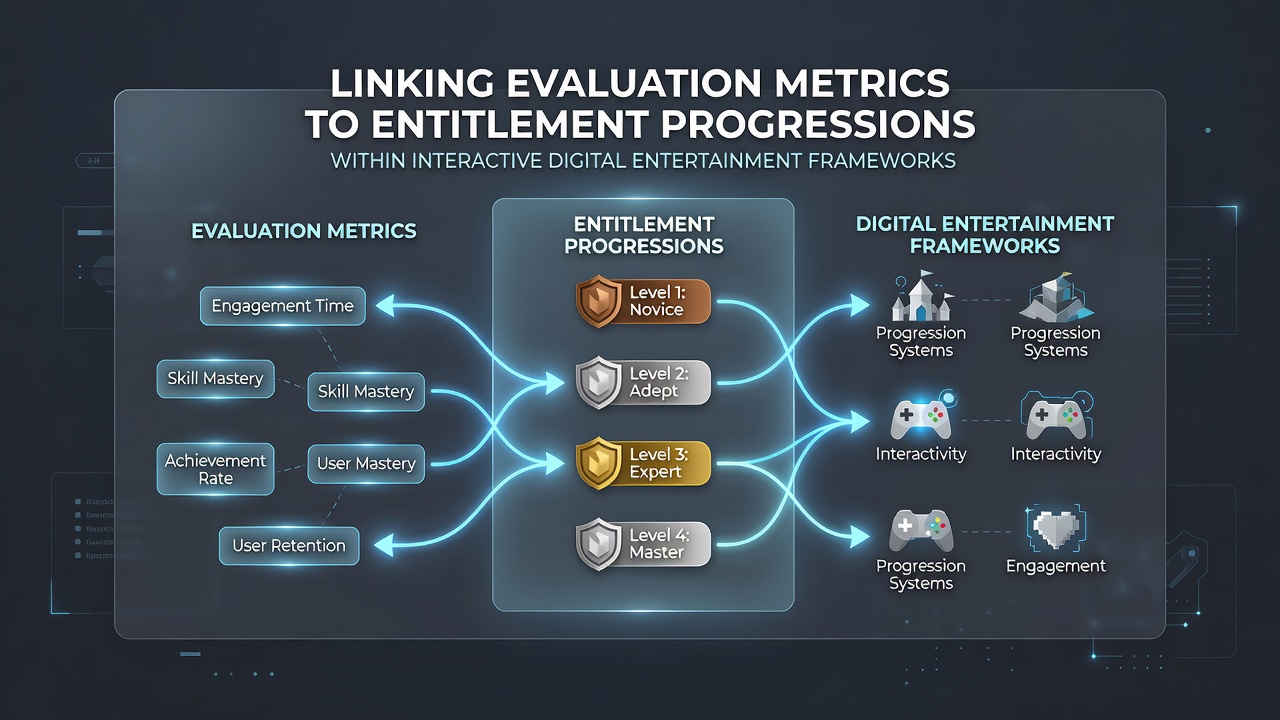
Developers frequently incorporate feedback loops that adjust metric weightings after major content updates, and these adjustments help maintain fairness when new features alter typical engagement patterns. Participants receive notifications detailing which specific evaluations contributed to their most recent advancement, fostering greater understanding of the underlying logic. Data compiled by Canadian provincial regulators reveals that platforms employing such explanatory mechanisms experience fewer support queries related to tier access disputes.
Regional Variations in Implementation
North American operators often emphasize session frequency and challenge completion as primary evaluation factors, whereas Asian markets incorporate social interaction metrics more prominently into progression calculations. These regional differences reflect distinct user expectations and regulatory environments, yet the fundamental linkage between measurable evaluations and entitlement unlocks remains consistent. A 2026 analysis released by Singapore's gaming oversight authority documented parallel outcomes across jurisdictions where transparent metric-to-tier mapping produced comparable retention improvements.
Academic researchers examining large-scale platform datasets have identified that hybrid models combining automated scoring with occasional human review produce the most stable progression outcomes, particularly when addressing edge cases involving unusual activity patterns. Such hybrid approaches prevent automated systems from misclassifying legitimate variations in user behavior while preserving the efficiency of metric-driven advancement.
Conclusion
Linking evaluation metrics to entitlement progressions establishes structured, data-supported pathways within interactive digital entertainment frameworks, and ongoing refinements based on 2026 performance indicators continue to shape how platforms balance accessibility with meaningful advancement. Operators that maintain clear connections between measurable inputs and tiered outputs demonstrate consistent user engagement patterns across diverse geographic markets. Continued monitoring by regulatory bodies and research institutions will likely refine these linkages further as evaluation technologies evolve.