How Aggregated User Scores Shape Promotion Eligibility in Cross-Device Reel and Card Suites
Rosa Schmitz · Aug 19, 2026
How Aggregated User Scores Shape Promotion Eligibility in Cross-Device Reel and Card Suites
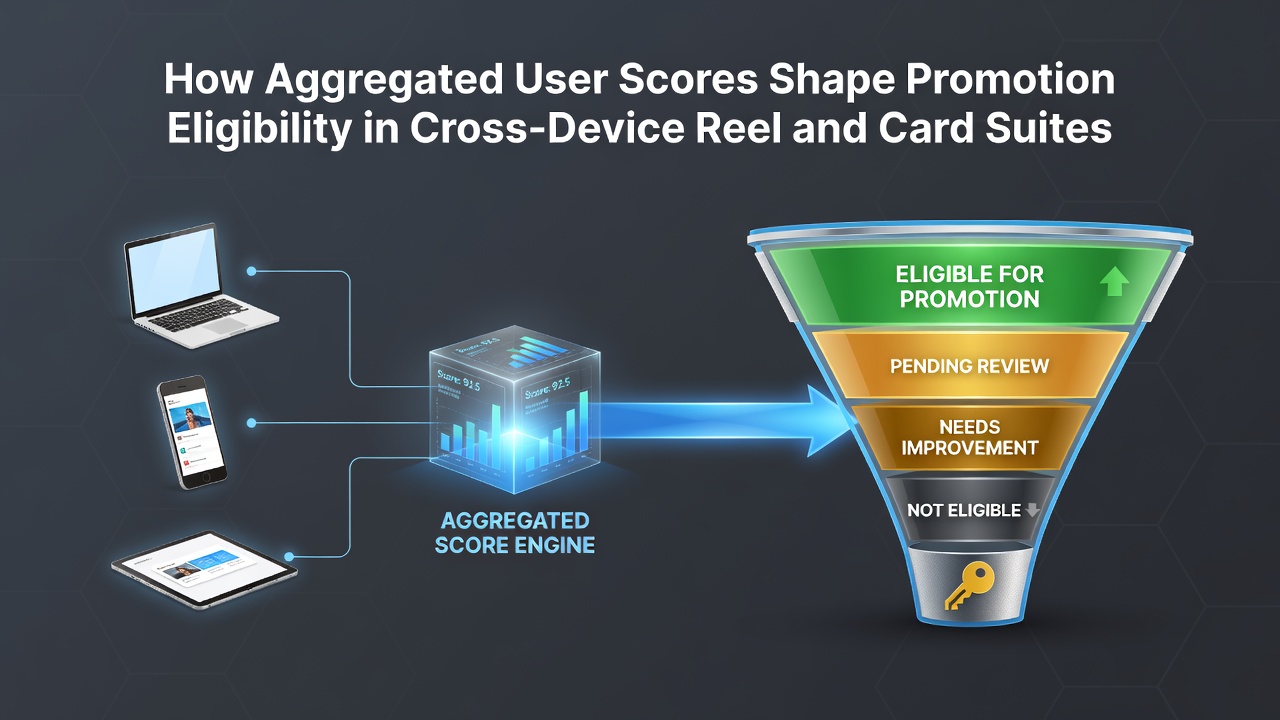
Platforms that run reel and card suites across phones, tablets, and desktops rely on aggregated user scores to determine who receives promotional offers and tier upgrades, and those scores combine feedback from multiple touchpoints into single eligibility metrics that operators apply uniformly. Data from these systems shows how review ratings, session length averages, and interaction frequency merge into composite numbers that gate access to bonuses, loyalty points, and exclusive tables or reel features.
Mechanics of Score Aggregation
Operators collect numerical inputs from in-app surveys, post-session ratings, and behavioral logs, then apply weighting formulas that emphasize recent activity over older data while still preserving historical trends for long-term players. Cross-device tracking ensures that a score earned on a desktop card table carries forward to a mobile reel session, creating a unified profile that algorithms scan daily for promotion thresholds. Research from the University of Nevada, Las Vegas indicates that platforms using these unified profiles adjust eligibility windows every two weeks, allowing scores to rise or fall based on consistent patterns rather than isolated events.
Cross-Device Data Integration
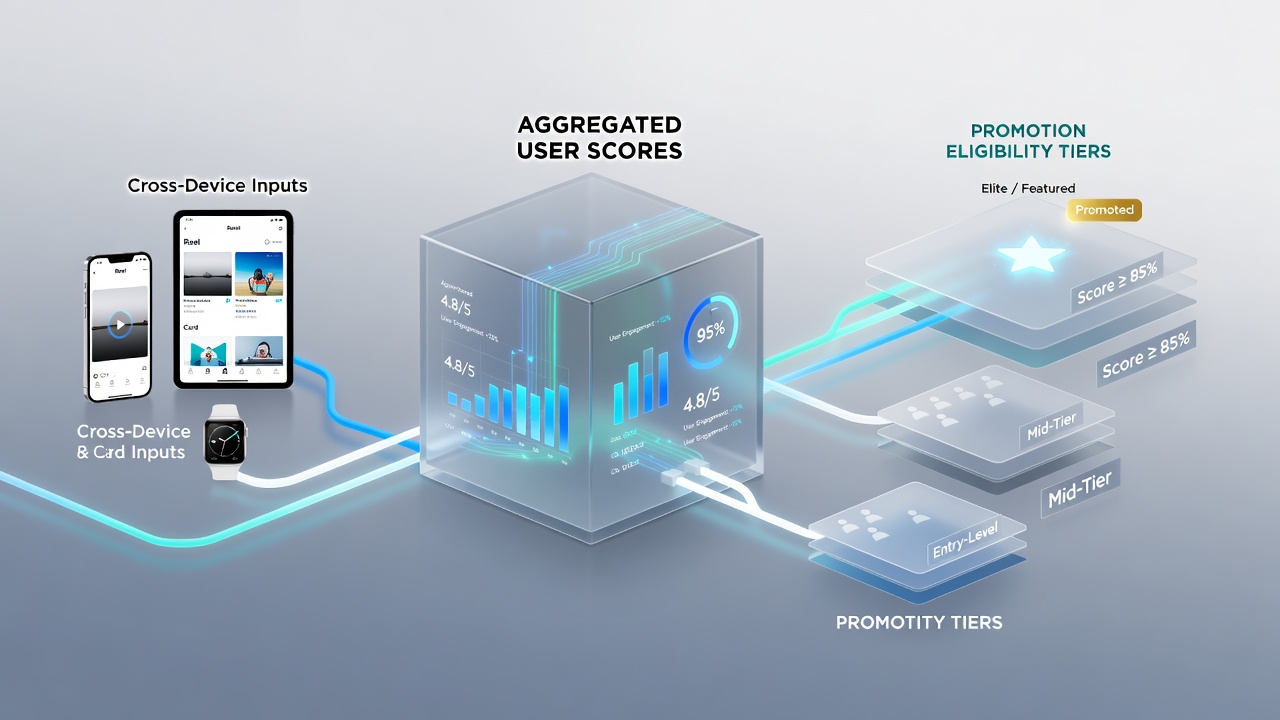
Seamless movement between devices requires constant synchronization of user scores, so a player who rates a live dealer session highly on a tablet receives immediate credit that appears the next time the same account opens a reel game on a phone. Systems log device type alongside each rating, which lets operators identify whether certain interfaces generate systematically higher or lower scores and adjust promotion criteria accordingly. Figures released in August 2026 by the New Jersey Division of Gaming Enforcement revealed that 68 percent of promotion upgrades in multi-device environments occurred only after scores had stabilized across at least three separate device types.
Promotion Thresholds and Tier Access
Eligibility for promotional offers typically begins once an aggregated score crosses a preset numeric line, with higher tiers unlocking additional benefits such as increased cashback percentages or priority access to new card variants. Algorithms compare individual scores against platform-wide averages, so a user whose rating sits 12 points above the current mean may receive an automatic upgrade notice while others remain at the base level. Observers note that these thresholds shift seasonally, often tightening during high-traffic periods to maintain balanced distribution of rewards across the player base.
Impact on Reel and Card Engagement Patterns
Players whose scores determine promotion eligibility often modify their session habits to maintain or improve those numbers, and data shows longer average play durations on both reel and card titles once an upgrade becomes visible on the account dashboard. Reel suites tend to reward volume-based metrics more heavily, whereas card environments place greater weight on qualitative feedback such as dealer interaction ratings. The resulting divergence means that operators must maintain separate weighting coefficients for each game category to keep promotion decisions fair across the entire suite.
Regional Reporting Trends in Mid-2026
August 2026 reports from multiple jurisdictions highlighted how aggregated score systems correlate with changes in promotional spend, with one analysis finding that platforms using cross-device scores reduced bonus distribution costs by 14 percent compared with earlier single-device models. Those same reports documented steady month-over-month growth in the number of players reaching mid-tier eligibility, driven largely by improved score consistency across mobile and desktop sessions. Industry associations tracking these metrics continue to publish quarterly summaries that detail the precise formulas operators apply when converting raw ratings into promotion decisions.
Conclusion
Aggregated user scores now function as the primary gatekeeper for promotional access in cross-device reel and card environments, and the mechanisms that combine feedback with behavioral data continue to evolve in response to regulatory reporting requirements and platform performance data. As synchronization standards improve, eligibility determinations grow more precise while still preserving the core principle that sustained positive input across devices leads to expanded reward opportunities.