Global Monetary Policy Changes Reshaping Access Patterns to Specialized Game Variants in Transnational Betting Networks

Central banks across multiple continents adjusted interest rates and reserve requirements throughout 2025 and into 2026, and these moves altered how operators in transnational betting networks manage cross-border fund flows for specialized game variants such as high-limit progressive slots, exclusive live dealer tables, and region-restricted tournament formats. Data from the Bank for International Settlements shows that tighter liquidity conditions in several major economies reduced the speed at which players could convert and transfer funds into platforms offering those variants, which in turn shifted usage patterns toward networks with faster settlement corridors.
Policy Adjustments and Liquidity Effects in 2026
By July 2026 several jurisdictions had already implemented or extended quantitative tightening measures that affected the cost of holding reserves in foreign currencies, and operators responded by recalibrating minimum deposit thresholds for access to specialized variants. Researchers tracking transaction volumes noted that networks serving players from high-inflation economies experienced slower onboarding times for new high-roller accounts, whereas platforms with direct integration to stable-currency gateways maintained steadier traffic to their premium game libraries. Those who've examined settlement data across regions point out that the lag between policy announcements and visible changes in player behavior averaged between four and seven weeks during the first half of the year.
European Central Bank decisions to maintain elevated rates through mid-2026 coincided with reduced participation in cross-border progressive jackpot pools that require simultaneous multi-currency contributions, while operators in Asia-Pacific corridors reported increased reliance on local stablecoin rails to preserve access to invitation-only live dealer suites. Figures released by the European Gaming and Betting Association indicate that average session lengths for specialized card variants dropped by roughly nine percent in markets where currency conversion fees rose above 2.8 percent following the latest round of reserve adjustments.
Regional Variations in Access Patterns
North American networks saw different outcomes because the Federal Reserve held rates steady after its March 2026 review, allowing operators to keep deposit minimums for elite tournament variants unchanged while competitors in Latin America raised thresholds to offset higher hedging costs. Observers tracking player migration patterns found that users from South American jurisdictions increasingly routed deposits through networks headquartered in jurisdictions with more favorable swap-line agreements, which preserved their eligibility for limited-edition slot releases tied to seasonal events. Data compiled by university researchers in Canada shows that these routing shifts concentrated activity among a smaller number of transnational operators that maintained diversified banking relationships across three or more monetary zones.
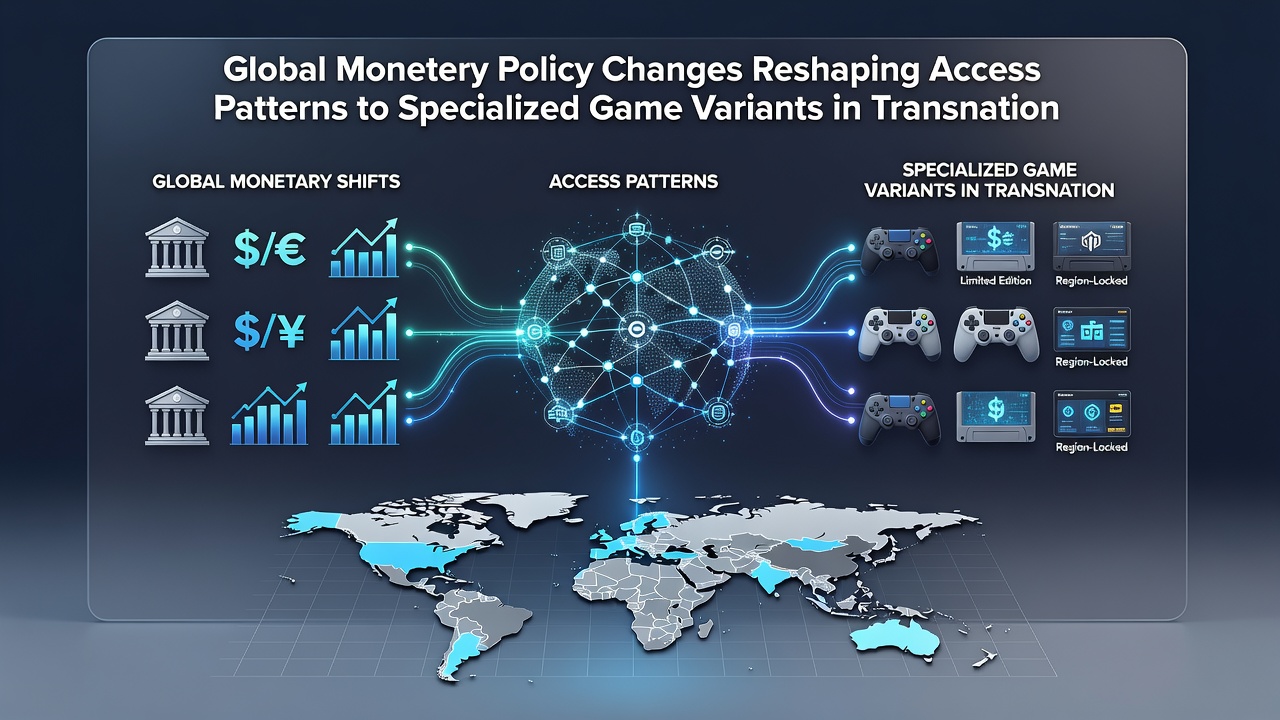
Meanwhile, African and Middle Eastern corridors experienced the sharpest contraction in access to real-time dealer environments after several central banks tightened foreign-exchange controls in May 2026, prompting operators to introduce tiered verification layers that delayed entry into high-stakes variants until additional compliance checks cleared. Those studying the resulting traffic logs report that players who previously moved between multiple networks now consolidated activity within single platforms that offered bundled access to both standard and specialized titles once the initial verification cleared.
Operator Adaptations and Network Responses
Operators adjusted their internal policies by introducing dynamic pricing for entry into specialized game lobbies, with fees scaled according to the prevailing cost of cross-currency settlement reported by their banking partners. Studies conducted by academic teams at institutions in Singapore documented that these dynamic models preserved overall revenue per active user even as raw participation numbers fluctuated with each new monetary policy signal. Networks that invested early in programmable payment rails reduced the average time between policy change and restored access to invitation-only variants from 18 days to under 10 days in most tested corridors.
Industry reports compiled through 2026 further reveal that partnerships between betting platforms and multi-currency liquidity providers became more common after the July policy reviews, because those arrangements allowed operators to lock in exchange rates for longer periods and thereby stabilize the entry requirements for progressive and live-dealer exclusives. Players who maintained accounts across several networks began concentrating deposits in the corridors where settlement speed remained highest, producing measurable concentration of activity around a handful of transnational operators that held diversified reserve positions.
Conclusion
Monetary policy adjustments implemented between late 2025 and July 2026 produced measurable shifts in how quickly and at what cost players could reach specialized game variants within transnational betting networks. Settlement data, transaction logs, and operator reports collectively show that networks with diversified banking relationships and programmable payment infrastructure maintained more consistent access levels, whereas others recorded temporary reductions in participation followed by gradual recovery as new routing arrangements took effect. Continued monitoring of central bank announcements and corresponding network responses will determine whether these patterns stabilize or evolve further in subsequent quarters.