Exploring How Secure Transaction Innovations Shape Sustained Engagement Patterns Across Digital Reel and Card Platforms
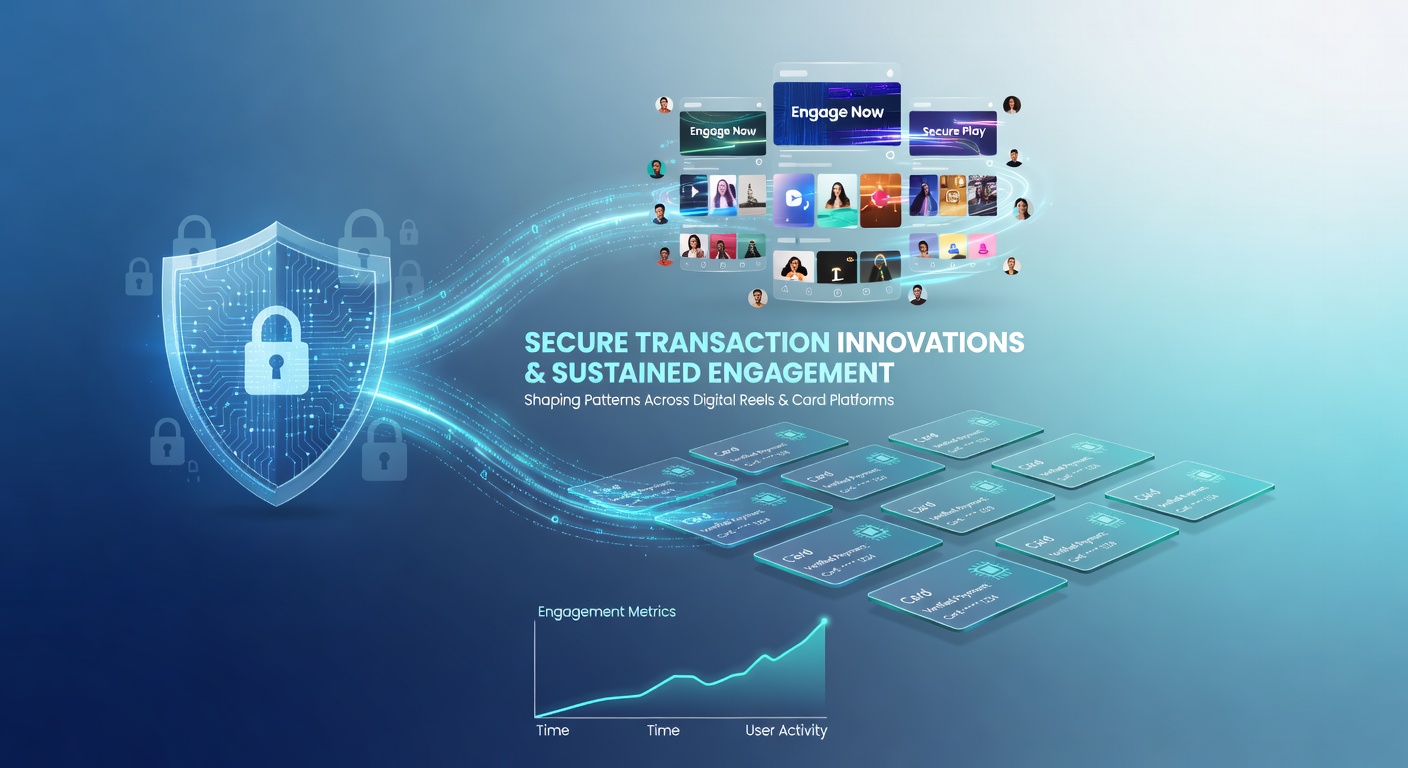
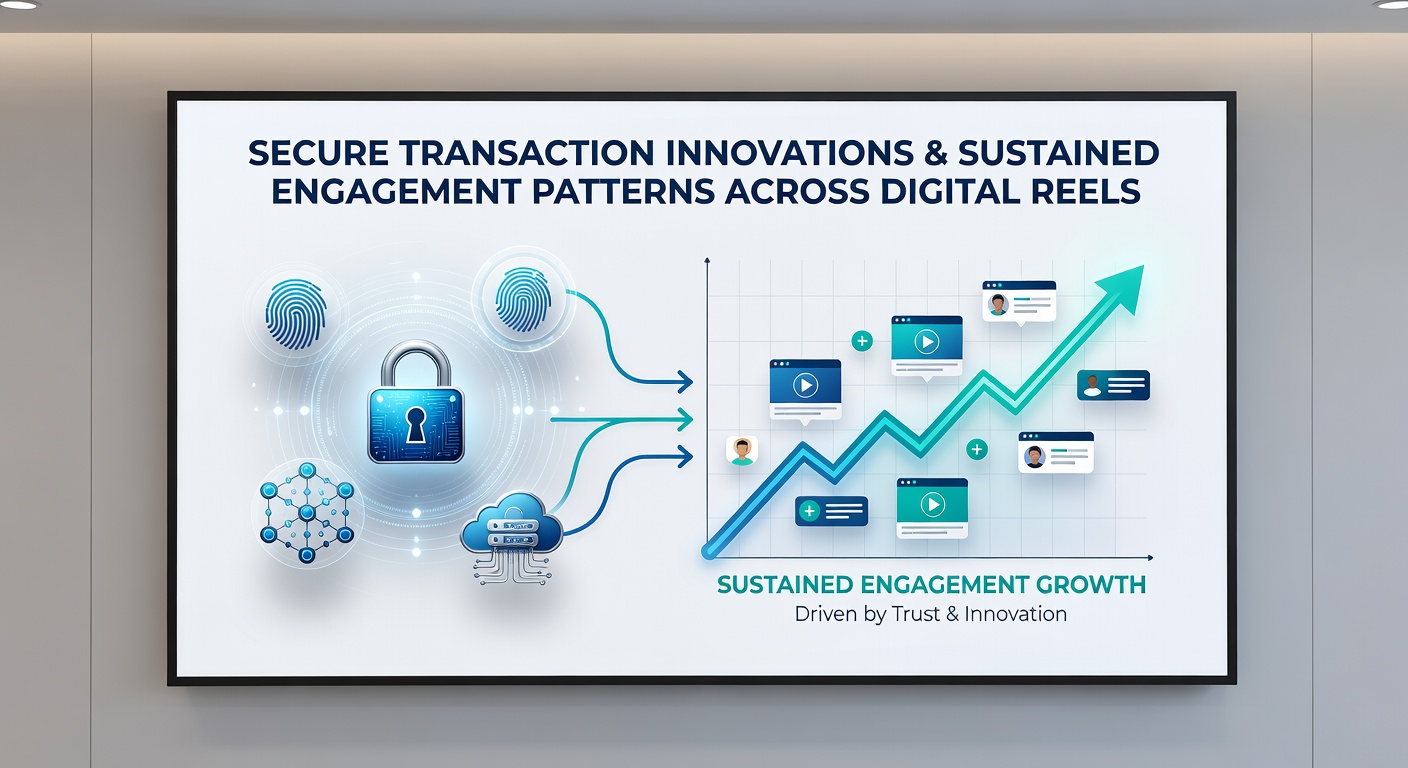
Secure transaction innovations continue to redefine how players interact with digital reel and card platforms, and observers note that these changes influence patterns of sustained engagement in measurable ways. Advances in encryption protocols, tokenization systems, and real-time verification tools have reduced friction during deposits and withdrawals while simultaneously strengthening user confidence across both slots-style reel games and table card environments. Data collected through industry monitoring shows that platforms adopting these technologies often experience longer session durations and higher rates of repeat visits, particularly when users perceive their financial details as consistently protected.
Encryption Standards and Tokenization Driving Platform Reliability
Modern encryption standards such as end-to-end AES-256 combined with payment tokenization replace sensitive card numbers with unique identifiers that hold no reusable value outside a single transaction. Researchers tracking platform performance in early 2026 report that this approach cuts successful fraud attempts by significant margins while allowing seamless play across mobile and desktop interfaces. Players on reel platforms, where frequent small bets occur in rapid succession, benefit from instant processing that keeps momentum intact, whereas card game users appreciate the same speed during buy-in phases without exposing full account credentials. According to a recent analysis by the New Jersey Division of Gaming Enforcement, platforms implementing tokenization saw measurable upticks in weekly active accounts through the first quarter of the year.
Biometric Verification and Its Effect on Return Behavior
Biometric authentication methods, including fingerprint scanning and facial recognition paired with device-bound keys, have moved from optional add-ons to standard features on many digital gaming sites. These tools allow users to confirm transactions in seconds rather than navigating multiple verification screens, and studies indicate that reduced login friction correlates with steadier engagement rhythms over multi-week periods. On card platforms, where strategic pauses between hands matter, quick re-authentication supports uninterrupted focus, while reel players experience fewer interruptions during bonus rounds or free spin sequences. Observers tracking user cohorts in May 2026 note that accounts secured with biometrics demonstrate higher retention metrics compared to those relying solely on passwords or SMS codes, especially among users who split time between mobile apps and browser-based sessions.
Blockchain Integration Across Reel and Card Ecosystems
Blockchain-based ledgers introduce transparent audit trails for every deposit, bet, and payout without compromising player anonymity when configured properly. This technology records transaction histories on decentralized networks, giving users verifiable proof that game outcomes and fund movements align with stated rules. Those who have examined adoption rates point out that reel platforms leveraging smart contracts for progressive jackpots often attract users seeking verifiable fairness, while card rooms use similar systems to confirm shuffle integrity and pot distributions. In May 2026 several major operators expanded blockchain pilots to include cross-game wallets, allowing balances to transfer between reel and card sections without additional processing delays or third-party fees.
Regional Regulatory Shifts and Platform Responses
Regulatory frameworks in different jurisdictions continue to shape how quickly operators roll out new security layers. Canadian provincial regulators, for instance, have emphasized real-time fraud monitoring standards that encourage platforms to integrate AI-assisted anomaly detection alongside traditional encryption. European operators face parallel requirements under updated e-money directives, prompting similar investments in multi-layer verification. These converging standards create consistent security expectations for players who move between markets, and engagement data reveals that users tend to maintain activity on platforms demonstrating compliance across borders rather than switching to less regulated alternatives.
Patterns of Sustained Play in Reel Versus Card Environments
Reel platforms typically feature high-frequency micro-transactions that benefit directly from instant verification systems, leading to extended play sessions when users trust the payout pipeline. Card platforms, by contrast, involve larger buy-ins and occasional tournament entries where delayed processing can interrupt strategic flow. Reports compiled through 2026 show both categories experiencing parallel gains in average lifetime value per user once transaction security reaches a certain threshold, yet the mechanisms differ: reel engagement often spikes around promotional reloads while card engagement stabilizes through reliable cash-out reliability. Industry organizations such as the American Gaming Association have documented these divergent yet complementary patterns in their quarterly summaries, highlighting how security upgrades support distinct user journeys without forcing uniform behavior across game types.
Future Trajectory for Transaction Security and Engagement
Emerging developments in quantum-resistant encryption and decentralized identity management promise further refinements that could lock in even longer engagement cycles. As these tools mature, platforms will likely refine personalization of security settings, letting users select verification intensity based on session size or game preference. Data from ongoing trials suggests that when players control these parameters without sacrificing speed, return rates across both reel and card formats remain elevated through seasonal fluctuations adn promotional lulls alike.
Conclusion
Secure transaction innovations continue to underpin sustained engagement across digital reel and card platforms by lowering barriers to entry while raising standards for trust and verification. As operators refine these systems through 2026 and beyond, the interplay between technological capability and user behavior will determine which platforms maintain consistent activity levels over time. Platforms that balance speed, transparency, and regulatory alignment position themselves to support the varied rhythms of play that define both reel and card environments.