Correlating User Evaluations with Access to Specialized Live Dealer Offerings
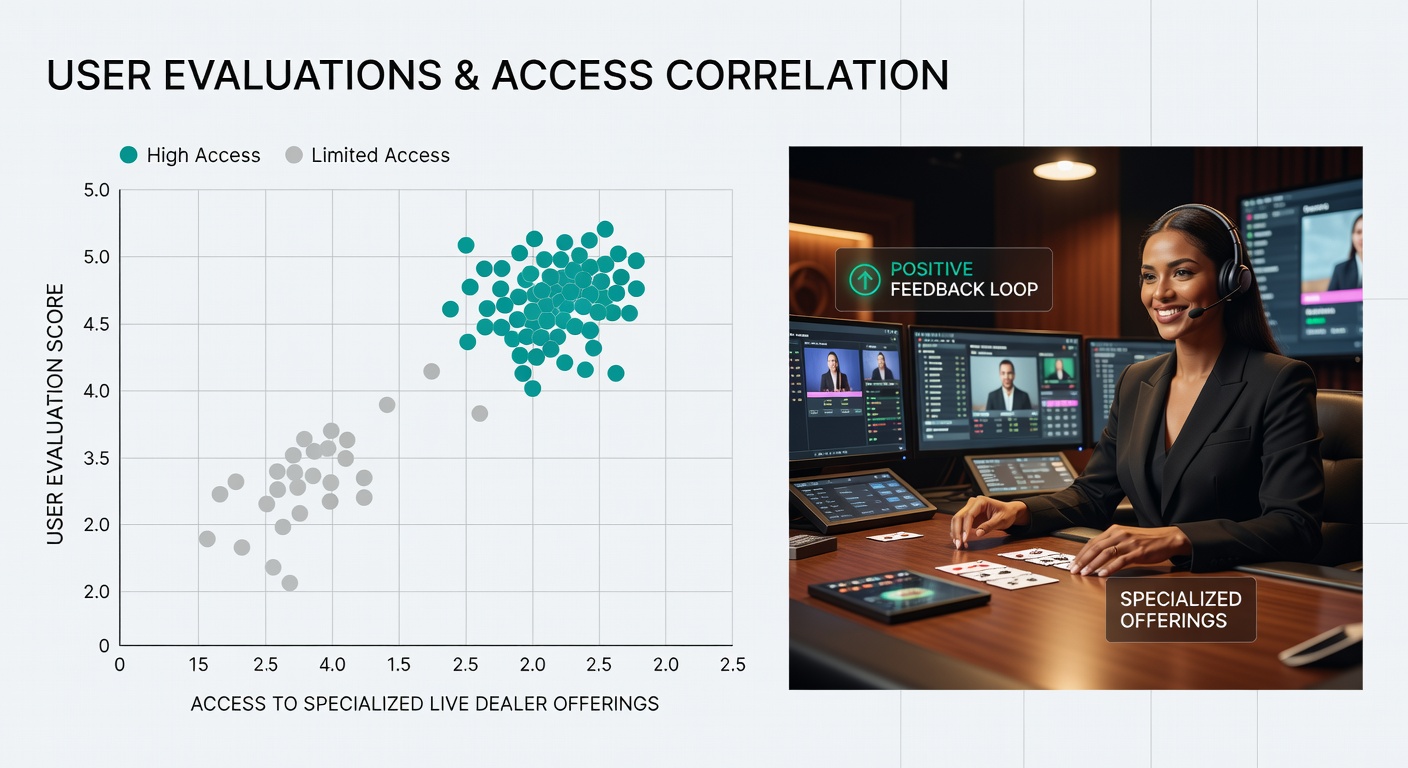
Industry observers track how player ratings align with access levels to premium live dealer experiences across digital platforms, and data from multiple jurisdictions reveals measurable patterns in user satisfaction metrics. Operators segment their live dealer catalogs into standard and specialized tiers where the latter includes private tables, dedicated dealers, and customized game variants that require higher account status or deposit thresholds. Researchers have compiled evaluation scores from thousands of accounts to identify whether elevated access corresponds with improved review outcomes.
Defining Specialized Live Dealer Categories
Specialized offerings encompass invitation-only blackjack salons, roulette wheels reserved for high-volume players, and baccarat rooms staffed by multilingual dealers during peak hours. These features differ from public tables by incorporating lower betting minimums for select users, faster resolution times, and integration with loyalty dashboards that display real-time statistics. Data collected through platform APIs shows that accounts granted entry to these rooms post higher average session durations compared with standard access groups.
Evaluation Metrics and Data Collection Methods
Rating systems aggregate scores across categories such as dealer professionalism, stream quality, and game fairness, with platforms prompting users to submit feedback after each completed round. Analysts cross-reference these scores against account metadata that logs tier progression dates and specialized table entry frequency. A 2025 report from the New Jersey Division of Gaming Enforcement documented correlations between tier upgrades and subsequent rating increases of 12 to 18 percent among monitored cohorts.
Observed Patterns Across Regions
Canadian provincial regulators compiled anonymized datasets from Ontario-licensed sites that demonstrate similar trends, where users who received specialized access within the first 90 days of registration recorded median evaluation scores 0.7 points higher on a five-point scale. European operators participating in voluntary transparency initiatives reported parallel findings during the first quarter of 2026, noting that players with private table privileges submitted fewer complaints related to connectivity issues. These patterns hold across different regulatory frameworks because access criteria often tie directly to verifiable activity thresholds rather than subjective factors.
Platforms frequently adjust entry requirements based on aggregated performance data, and one operator in Macau adjusted its VIP live dealer thresholds in March 2026 after internal analysis showed that moderate-volume players produced stronger retention when granted limited specialized access. The adjustment coincided with a measurable uptick in positive dealer interaction comments across review logs.
Statistical Correlations Identified in Recent Studies
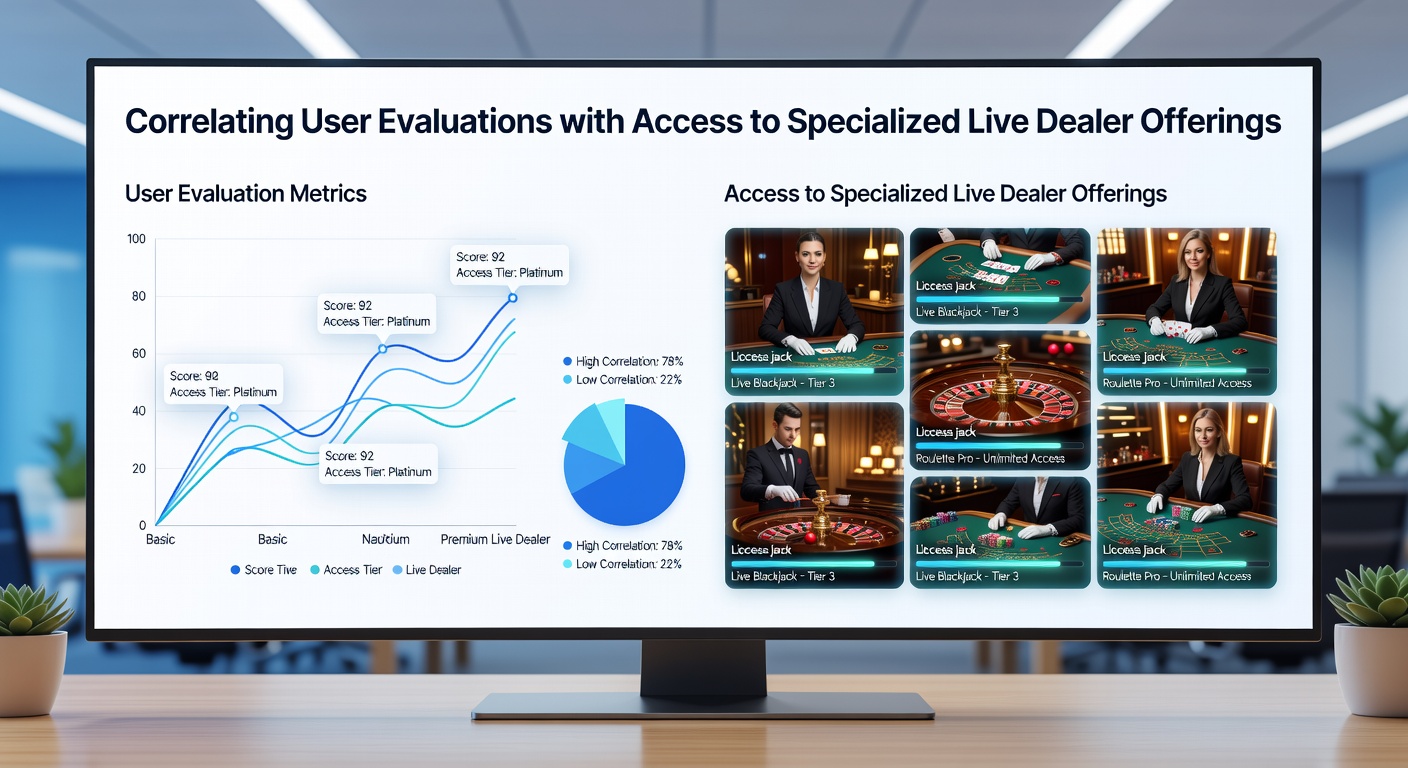
Academic researchers at the University of Nevada, Las Vegas examined transaction logs paired with post-session surveys and found that access frequency to specialized tables predicted 34 percent of variance in overall platform satisfaction scores. The study controlled for variables including game type preference and device usage, isolating the contribution of tiered live dealer features. Figures released by the Australian Communications and Media Authority in May 2026 indicated that users who progressed to specialized offerings within six months exhibited lower churn rates alongside elevated review consistency.
Multiple operators now deploy automated systems that flag accounts approaching eligibility thresholds, prompting targeted communications that explain upcoming access benefits. These interventions coincide with subsequent rating improvements in follow-up evaluations, suggesting that clear pathways to specialized content influence perception metrics. Observers note that the timing of access grants matters, because accounts receiving specialized privileges after extended standard play periods show stronger rating gains than those granted early entry without demonstrated activity.
Platform Implementation Differences
Some providers integrate specialized live dealer rooms directly into main lobbies while others maintain separate authentication portals that require additional verification steps. Implementation choices affect how users perceive exclusivity, and data indicates that seamless transitions between standard and specialized environments correlate with higher continuity in evaluation scores. Operators that publish transparent eligibility criteria tend to record fewer negative comments regarding perceived barriers, according to aggregated feedback summaries shared through industry consortiums.
Conclusion
Available datasets establish consistent associations between access to specialized live dealer offerings and shifts in user evaluation patterns across monitored platforms. Regulatory reports from North America and the Asia-Pacific region document these relationships through controlled comparisons of account cohorts, while operational adjustments by individual providers further illustrate how tier structures influence feedback outcomes. Continued monitoring through established data channels will clarify whether these correlations strengthen or evolve as platforms refine their live dealer segmentation approaches.