Charting Funding Route Impacts on Sequential Entitlement Unlocks Within Portable Real-Time Dealer Frameworks
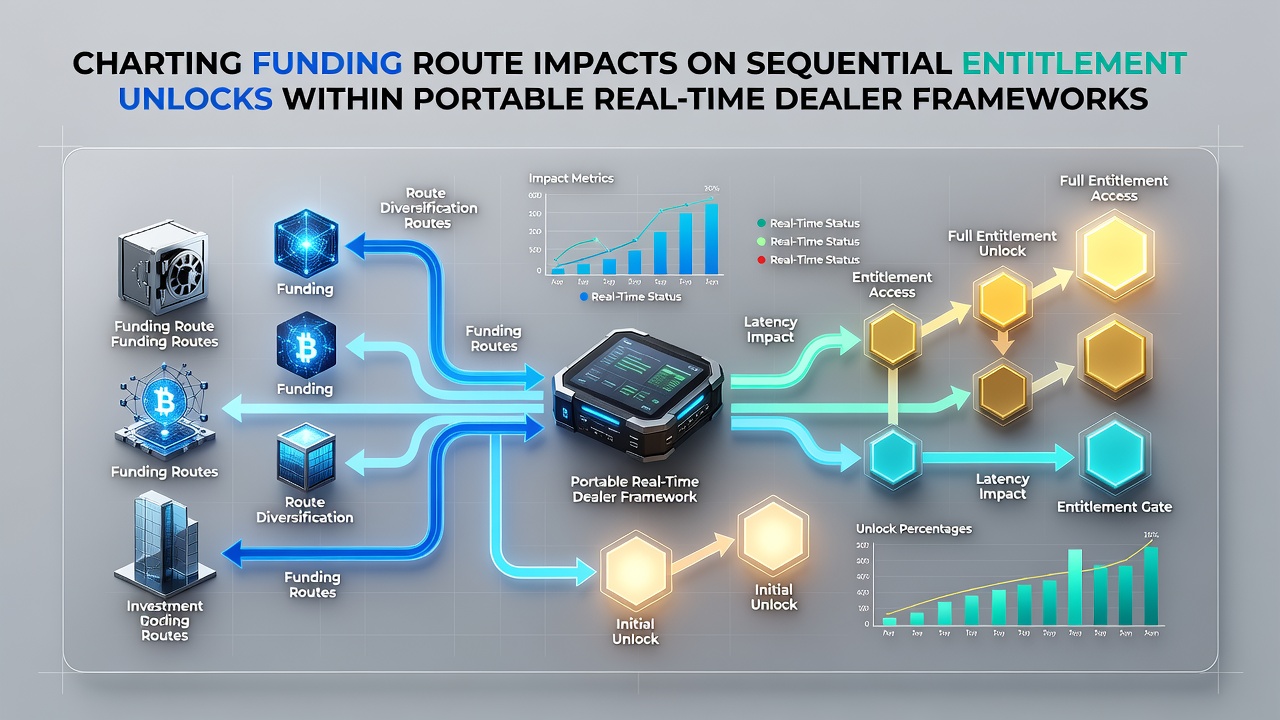
Funding routes in portable real-time dealer frameworks determine how players progress through sequential entitlement unlocks, and data collected across multiple platforms shows clear correlations between deposit methods and the timing of tier advancements during live sessions. Observers note that instant payment channels often accelerate initial unlocks while slower verification processes create staggered patterns in benefit access across mobile card and roulette environments.
Payment Pathways and Their Role in Entitlement Sequencing
Digital wallet transfers, bank wires, and card-based deposits each trigger distinct sequences in how entitlements become available within portable dealer applications, according to aggregated platform metrics released in early 2026. E-wallet routes frequently enable immediate credit to player accounts, which in turn activates early-stage rewards such as enhanced table limits or priority seating in live streams, whereas traditional bank transfers introduce verification delays that postpone those same unlocks until funds clear. Researchers tracking user flows across devices found that platforms using automated reconciliation systems shorten these intervals, allowing sequential benefits to stack more rapidly once the initial deposit registers.
Studies from North American operators indicate that debit card transactions produce intermediate timing effects, granting partial access to mid-tier features after a brief hold period while full entitlement chains require additional confirmation steps. This layered approach creates predictable progression maps that players navigate based on their chosen funding route, and June 2026 reports from regional gaming authorities highlighted rising adoption of instant methods correlating with higher rates of completed unlock sequences in live dealer suites.
Data Patterns Across Mobile Live Dealer Ecosystems
Platform analytics reveal that funding route selection influences not only the speed but also the order of entitlement releases, particularly in cross-device environments where sessions migrate between phones and tablets. Quick deposit options tend to prioritize visual indicators of progress such as loyalty meters advancing in real time during ongoing dealer interactions, while delayed routes produce batch updates that unlock multiple tiers simultaneously once verification completes. Those monitoring these systems note consistent regional variations, with operators in Asia-Pacific markets showing stronger integration between funding speed and promotional tier access compared to some European counterparts.
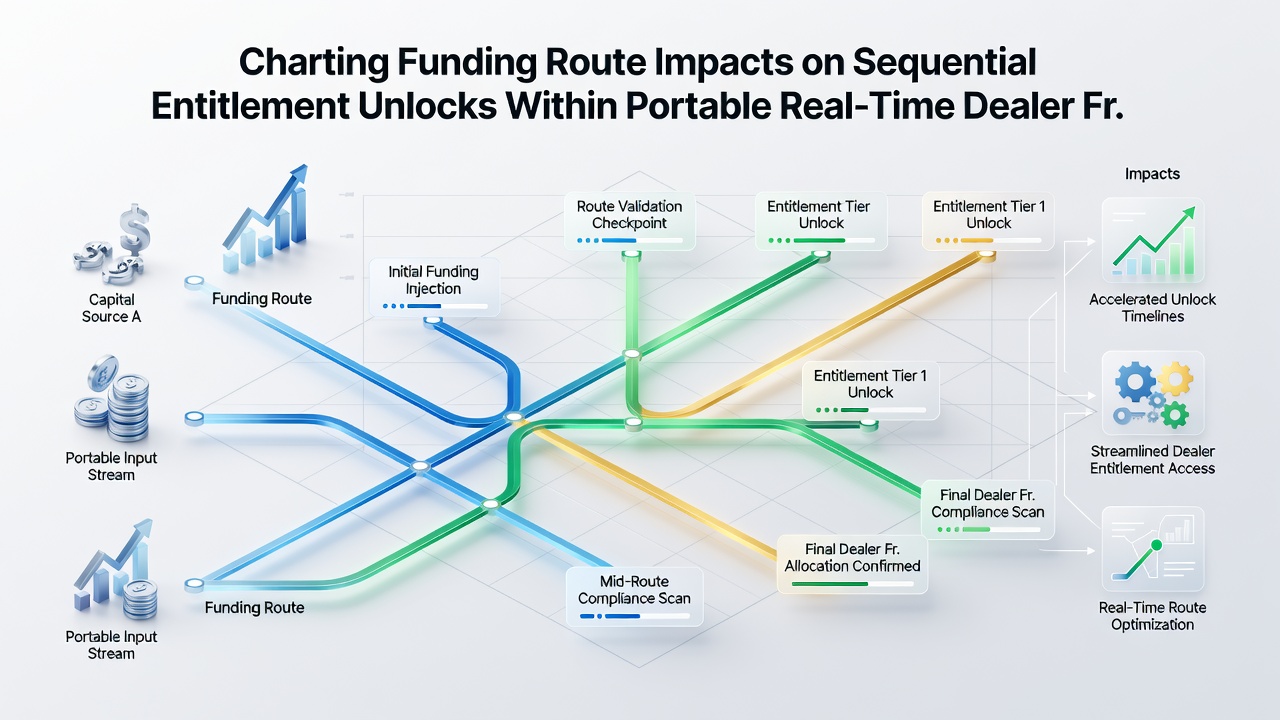
One analysis of transaction logs from multi-jurisdictional providers demonstrated that cryptocurrency routes, despite their volatility concerns, often bypass traditional banking holds entirely and therefore compress the timeline between deposit and full sequential entitlement activation. Figures released through industry consortiums in mid-2026 underscored these efficiencies, showing measurable upticks in sustained engagement when players select routes aligned with automated compliance checks.
Regulatory Context and Platform Adaptations in 2026
Regulatory bodies such as iGaming Ontario have documented how funding route transparency requirements affect the design of sequential unlock systems in portable frameworks, prompting operators to display estimated timelines for each payment type at the deposit stage. These disclosures help align player expectations with actual entitlement pacing during live dealer sessions, and similar guidelines emerging from Australian oversight entities emphasize clear mapping of deposit impacts on reward structures. Platforms responding to these standards have introduced dynamic interfaces that update entitlement progress based on real-time funding confirmations, reducing friction in mobile environments where session continuity matters.
Evidence from operational reviews suggests that integrated payment gateways capable of handling multiple routes simultaneously minimize disruptions to unlock sequences, allowing players to maintain momentum across dealer tables without resetting progress markers. June 2026 summaries from these regulatory sources pointed to incremental improvements in reporting accuracy as operators refined their tracking of funding-related entitlement data.
Future Trajectories for Funding and Entitlement Integration
Emerging technologies in payment verification continue to reshape how sequential entitlements unfold within portable real-time dealer frameworks, with biometric-linked instant transfers representing one area of active development among leading providers. Such advancements promise tighter coupling between funding events and benefit releases, potentially standardizing progression patterns across global markets. Industry reports from organizations tracking digital gaming trends project further refinements in these mechanics through the latter half of 2026, driven by both regulatory evolution and user demand for predictable access pathways.
Observers tracking longitudinal data emphasize that understanding these funding-to-entitlement linkages remains essential for operators seeking to optimize mobile live dealer offerings without introducing unintended delays in reward delivery.
Conclusion
Charting the connections between funding routes and sequential entitlement unlocks provides operators and analysts with actionable insights into player progression dynamics inside portable real-time dealer frameworks, and continued monitoring through 2026 will likely yield additional clarity on optimal integration strategies across varied payment ecosystems.