Algorithmic Reel Adjustments Shaping Prolonged Engagement Cycles in Cross-Device Card Environments

Data from digital gaming platforms shows that algorithmic modifications to reel mechanics continue to influence how users interact with card-based environments on multiple devices throughout 2026, with patterns emerging in session duration and cross-platform transitions. These systems operate by analyzing user behavior in real time, then recalibrating reel sequences and payout structures to align with observed interaction rhythms while maintaining regulatory compliance across jurisdictions.
Core Mechanisms Behind Reel Adjustments
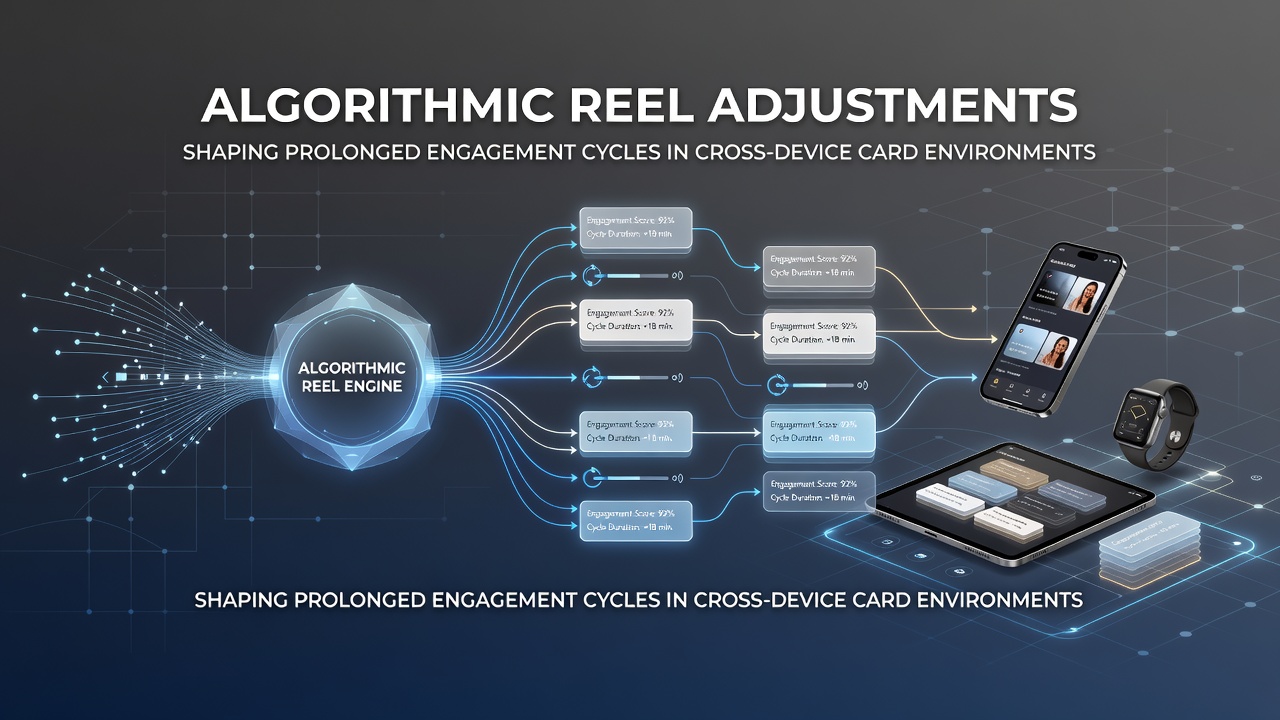
Algorithmic frameworks in card environments process inputs from touch interfaces, swipe gestures, and navigation paths to determine when reel elements should shift in speed, frequency, or visual weighting. Observers note that these changes often occur during transitions between mobile and desktop sessions, where the system detects device type and adjusts card display parameters accordingly, which can extend average engagement periods by synchronizing visual feedback loops with user response times.
Research indicates that machine learning models trained on aggregated session data identify thresholds at which reel deceleration or acceleration prompts continued play, particularly in environments that blend traditional card mechanics with animated reel overlays. Those who've studied platform telemetry report that adjustments happen at intervals ranging from 30 seconds to several minutes, calibrated against historical patterns from similar user cohorts.
Cross-Device Synchronization Patterns
Platforms handling cross-device card play maintain persistent user profiles that track reel interaction metrics such as tap velocity and pause duration, allowing the algorithm to resume adjusted sequences seamlessly when a session moves from tablet to smartphone. Figures from industry monitoring services reveal that synchronized environments recorded higher continuity rates in the first half of 2026 compared with single-device setups, as state preservation protocols carry forward the current reel calibration state without resetting engagement parameters.
Engineers at development studios implement device-specific rendering rules that account for screen resolution differences while preserving the underlying adjustment logic, ensuring that card positioning and reel spin durations remain consistent in perceived tempo even as hardware capabilities vary. This approach supports prolonged cycles by reducing friction during device switches, a factor documented in telemetry logs from major operators active in North American and European markets.
Data Patterns Observed in Mid-2026
Reports compiled through June 2026 highlight measurable shifts in engagement metrics following algorithmic updates deployed in spring, with average session lengths increasing in card environments that incorporate dynamic reel weighting. Government agencies in Australia and Canada have tracked these developments through voluntary industry disclosures, noting correlations between reel adjustment frequency and repeat login rates across portable devices.
One study from academic researchers at the University of Sydney examined how variable reel timing influences decision-making sequences in hybrid card formats, finding that calibrated adjustments align with natural attention cycles rather than forcing extended play through abrupt changes. Data shows these patterns hold across demographic groups when platforms apply consistent rule sets regardless of geographic location.
Regulatory Context and Implementation Standards
Regulatory bodies including the Alcohol and Gaming Commission of Ontario along with the Australian Communications and Media Authority require transparency in how algorithms modify game elements, which has led operators to document adjustment criteria in compliance filings. These filings indicate that reel changes must remain within predefined variance bands to prevent unintended extensions of play cycles beyond user intent, a standard that became more strictly monitored following updates in early 2026.
Industry associations such as the European Gaming and Betting Association have published guidelines that encourage testing of cross-device synchronization under controlled conditions, ensuring reel adjustments do not disproportionately affect engagement when users alternate between environments. Compliance teams verify that the underlying models incorporate fairness checks at each adjustment point, maintaining statistical integrity across all supported platforms.
Technical Implementation in Live Systems
Backend architectures supporting these environments utilize distributed computing resources to process reel adjustment decisions within milliseconds of receiving behavioral signals, enabling near-instantaneous updates to card display sequences. Developers integrate feedback loops that compare predicted engagement outcomes against actual session data, refining model weights on a weekly basis to reflect evolving usage patterns observed through June 2026.
Security protocols encrypt user interaction streams before they reach adjustment engines, preventing external interference while allowing the system to maintain continuity across device handoffs. Observers note that this infrastructure supports the delivery of consistent reel behavior regardless of network conditions, a requirement that has grown in importance as more users engage with card environments during travel or fragmented daily routines.
Conclusion
Algorithmic reel adjustments continue to shape engagement dynamics in cross-device card environments through systematic analysis of behavioral signals and synchronized state management. Available data through mid-2026 demonstrates measurable impacts on session continuity when platforms apply these techniques across mobile and desktop formats, while regulatory frameworks ensure adjustments remain within established operational boundaries. Ongoing monitoring by government agencies and research institutions provides further insight into how these systems evolve in response to changing usage patterns.